
Leading Innovations in Cosmetic Dermatology
The field of aesthetic medicine has experienced unprecedented growth over the past decade, driven by continuous scientific discovery and an expanding consumer desire for minimally invasive skin enhancement. Today's patients are increasingly knowledgeable, seeking non-surgical treatments that offer minimal downtime while delivering noticeable, natural-looking results. Innovations across light therapies, biostimulatory agents, and advanced topicals have fundamentally shifted how clinicians approach skin health, aging, and complex dermatological conditions. By integrating cutting-edge medical technologies with personalized care models, modern cosmetic dermatology empowers individuals to achieve optimal skin vitality safely and effectively.
Advanced Laser Technologies
Laser systems represent a cornerstone of contemporary aesthetic medicine, offering unprecedented precision when treating a vast array of skin conditions. Among these, fractional laser resurfacing stands out by delivering targeted thermal energy to microscopic treatment zones while leaving surrounding tissue completely intact. This targeted approach stimulates robust collagen production and accelerates natural wound healing, effectively smoothing rough skin texture, minimizing fine lines, and revising stubborn scars without the extended recovery periods required by older, fully ablative systems.
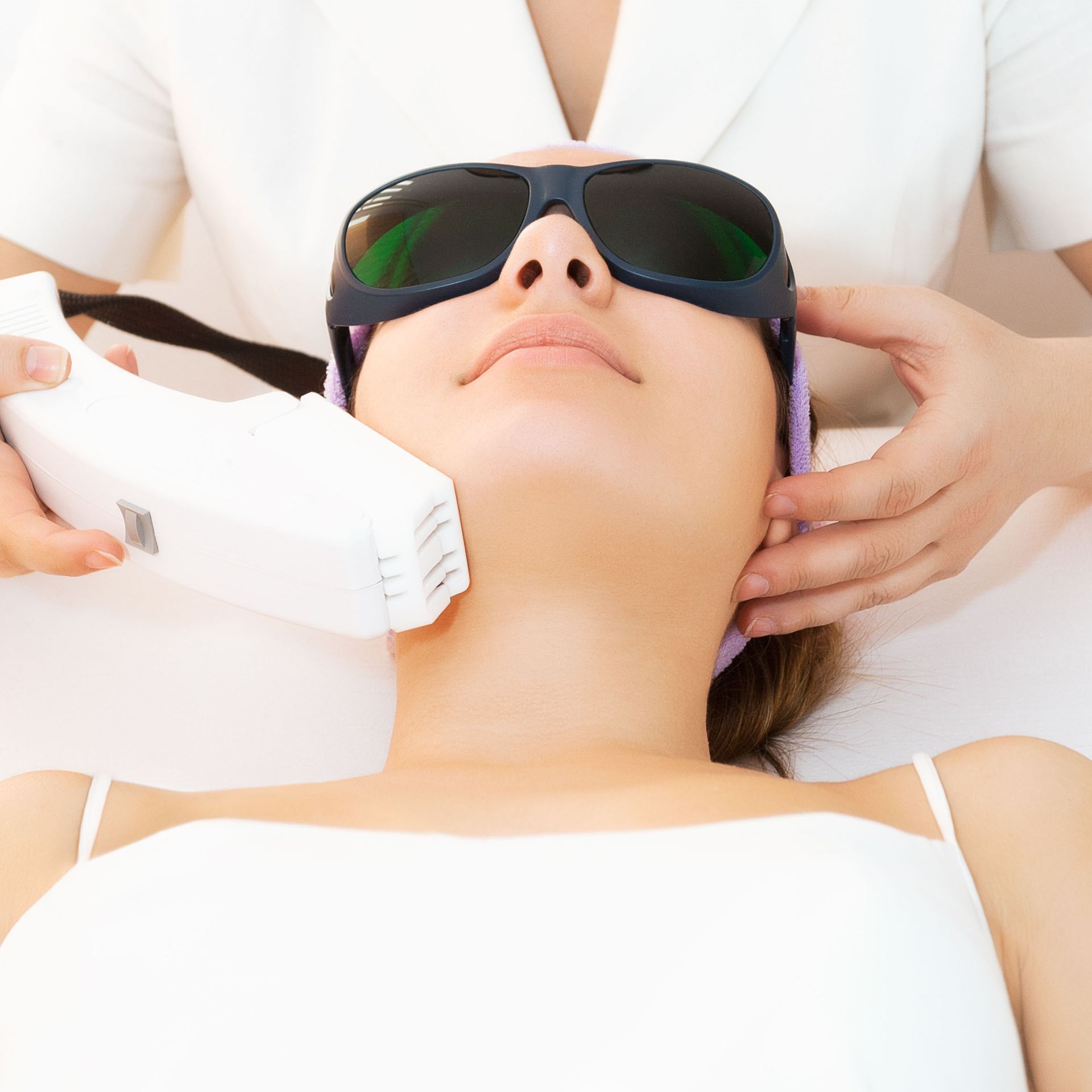
Simultaneously, the development of picosecond laser technology has revolutionized the management of excess pigmentation and unwanted tattoos. By delivering light energy in ultrafast trillionths of a second, picosecond devices create a photoacoustic shockwave that shatters pigment particles into microscopic fragments, allowing the body's lymphatic system to clear them more efficiently. Beyond pigment removal, modern light and energy systems have broadened in scope. Advanced laser hair removal systems now incorporate multiple wavelengths and integrated dynamic cooling mechanisms, making long-lasting hair reduction safe and comfortable for all skin phototypes. Furthermore, specialized vascular lasers specifically target hemoglobin to collapse superficial spider veins and alleviate facial redness associated with rosacea, illustrating how light-based therapies continue to refine non-invasive clinical practice.
Breakthroughs in Anti-Aging Treatments
The demand for non-surgical facial rejuvenation has spurred significant advancements in injectable and energy-based anti-aging solutions. While neuromuscular modulators remain a foundational treatment for softening dynamic facial lines, recent research has led to longer-lasting peptide-based formulations that provide extended muscle relaxation. In tandem with these refined muscle-relaxing agents, hyaluronic acid dermal fillers have evolved considerably. Modern fillers utilize advanced cross-linking technologies to restore lost facial volume, sculpt contours, and deep-hydrate tissue with incredible durability and natural movement.
To address skin laxity without surgery, clinicians frequently combine injectables with innovative tissue-tightening modalities. Thread lifting techniques utilize bio-absorbable sutures lined with microscopic cones or barbs to physically elevate sagging facial tissue, simultaneously triggering a localized healing response that builds fresh collagen over several months. Similarly, radiofrequency skin tightening applies controlled thermal energy to the deep dermal layers, contracting existing collagen fibers and signaling the body to synthesize new structural proteins. Complementing these procedural interventions, high-performance topical formulations enriched with biomimetic peptides work at the cellular level to reinforce the skin's extracellular matrix, offering a comprehensive multi-layered approach to combating chronological aging.
Advances in Acne and Scar Treatments
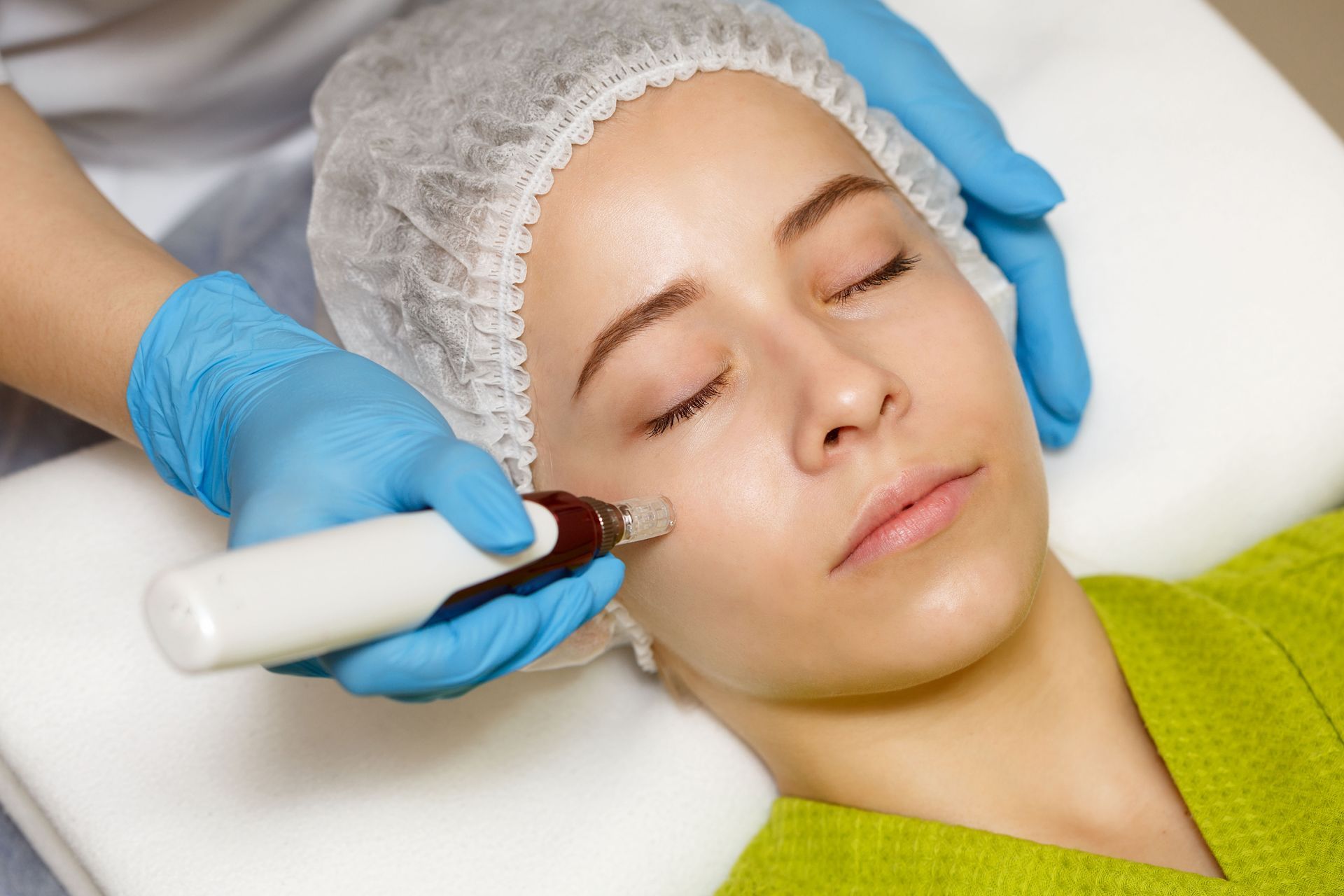
Managing active acne and its secondary structural complications has become increasingly successful thanks to multi-modality treatment protocols. A prime example of this integrated strategy is microneedling combined with platelet-rich plasma, often referred to as autologous cellular therapy. Microneedling creates fine physical channels in the epidermis to break up rigid scar tissue, while topically applied growth factors derived from the patient's own blood penetrate deep into the dermis to dramatically accelerate tissue repair and extracellular rebuilding.
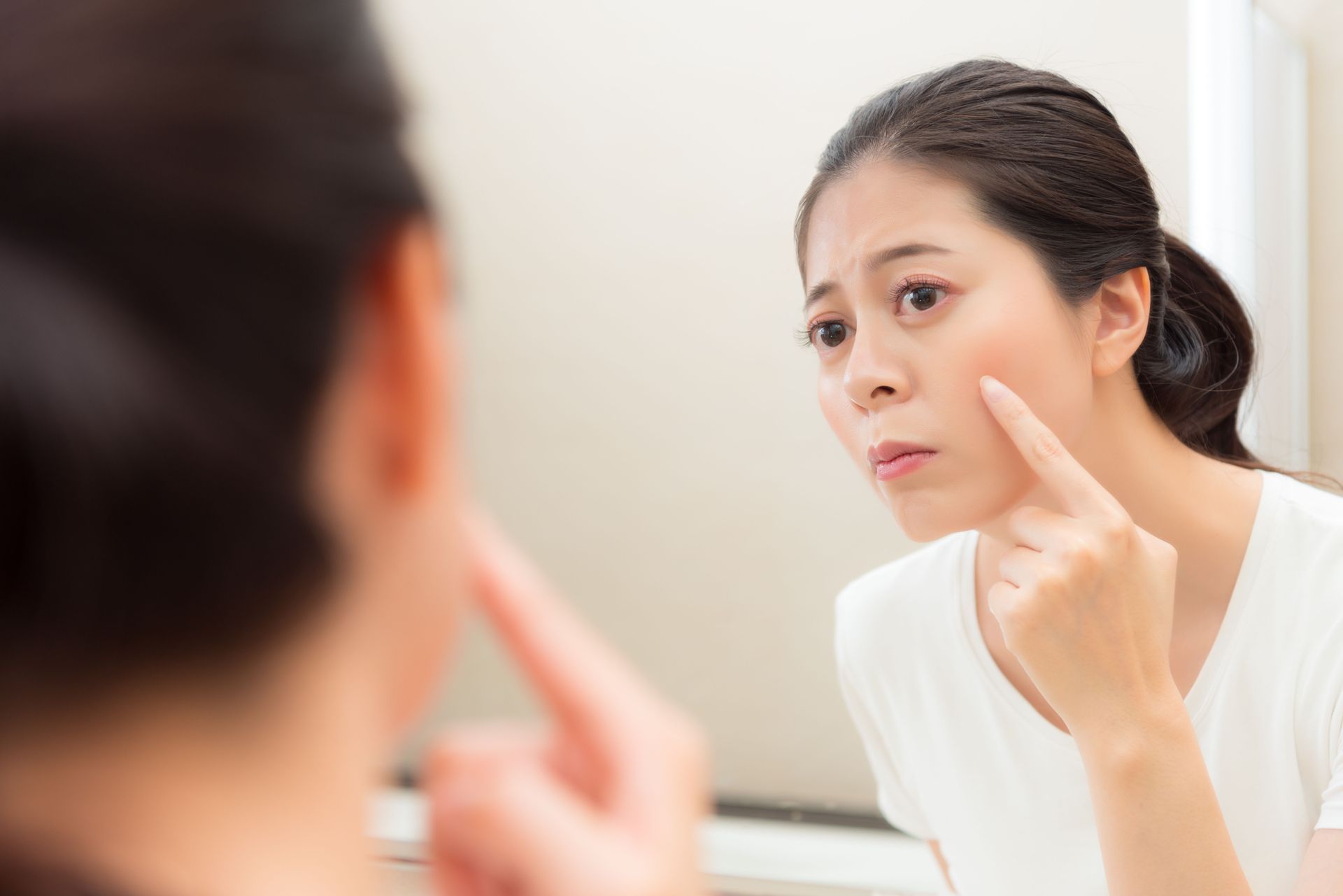
For active inflammatory acne, light-based modalities offer powerful drug-free alternatives to traditional oral antibiotics. Blue light therapy targets and neutralizes acne-causing bacteria within the sebaceous glands, rapidly reducing active breakouts and localized skin inflammation. For persistent post-acne mark clearing and scar revision, modern chemical peels utilize precise combinations of alpha and beta hydroxy acids alongside trichloroacetic acid to exfoliate damaged superficial cells and even out irregular skin tone. In the case of severe tethered or depressed rolling scars, subcision techniques allow practitioners to manually release fibrous bands beneath the skin surface using specialized sub-dermal instruments, allowing the depressed area to lift. When coupled with advanced topical retinoid formulations engineered to minimize surface irritation while speeding cell turnover, patients now have access to robust, highly tailored acne care.
Development in Skin Rejuvenation Technologies
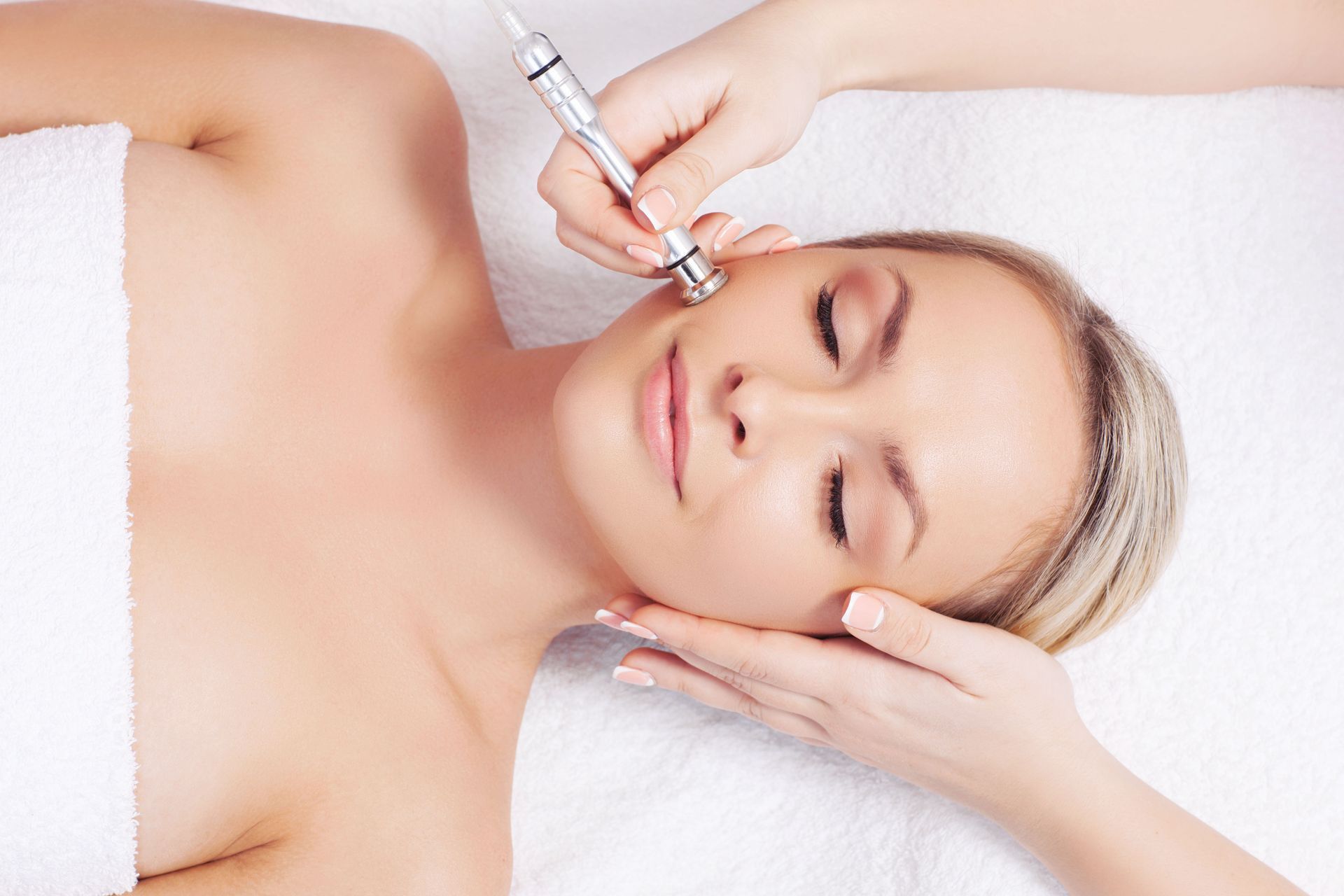
Skin rejuvenation strategies have transitioned from simple exfoliation toward deep cellular restoration and non-invasive tissue lifting. Photodynamic therapy exemplifies this shift by combining topically applied photosensitizing agents with targeted light exposure to selectively destroy pre-cancerous cells, improve sun-damaged tissue, and clear stubborn inflammatory acne. Similarly, microdermabrasion technology has advanced beyond basic crystal abrasion to incorporate diamond-tip exfoliation paired with simultaneous serum infusion, providing precise skin polishing while delivering customized active ingredients deep into freshly exfoliated skin.
Regenerative biology plays an increasingly central role in modern facial rejuvenation. Topical serums enriched with bio-engineered growth factors and cytokines stimulate native cell renewal, promoting thicker, more resilient dermal tissue when applied regularly or following clinical procedures. Complementing these topical interventions, multi-step hydradermabrasion platforms seamlessly combine deep pore cleansing, gentle acid exfoliation, painless extractions, and intense antioxidant hydration into a single comfortable session. To address deeper structural laxity, micro-focused non-surgical ultrasound therapy delivers focused acoustic energy to the deep foundational tissue layers, heating the structural support matrix to lift and firm the brow, neck, and jawline without disrupting the surface of the skin.
Progress in Pigmentation and Skin Tone Correction
Targeting hyperpigmentation requires a nuanced understanding of melanocyte activity and skin inflammation. Intense Pulsed Light devices utilize broad-spectrum light to target both melanin and hemoglobin simultaneously, effectively lifting age spots, sun damage, and diffuse redness to restore an even complexion. For complex, chronic conditions like melasma—which can flare under excessive heat—specialized picosecond and low-fluence fractional lasers deliver gentle energy to fragment stubborn dermal pigment without triggering thermal inflammation or secondary post-inflammatory hyperpigmentation.
Alongside clinical laser therapies, topical depigmentation protocols have become far more sophisticated and safer for long-term maintenance. Modern brightening agents utilize advanced delivery systems to transport ingredients like niacinamide, kojic acid, and stabilized vitamin C directly into target melanocytes, effectively suppressing excess pigment production at its source. Furthermore, the integration of oral and topical tranexamic acid has transformed hyperpigmentation management by inhibiting the interactions between skin cells and melanocytes that trigger melanin synthesis. Comprehensive depigmentation therapies combine these diverse approaches to safely manage uneven skin tone across all skin types.
Future Trends in Aesthetic Medicine
The future of skin care is rapidly moving toward hyper-personalized, data-driven interventions. Advanced diagnostic imaging tools paired with artificial intelligence can now analyze deep skin layers, evaluate genetic predispositions, and forecast cellular aging patterns to create customized treatment strategies tailored precisely to an individual's unique biological makeup. According to Global Market Insights, 94% of the total recipients of cosmetic procedures are women, underscoring a massive demographic demand that continues to fuel research into highly targeted, gender-informed clinical aesthetic solutions.
Looking forward, regenerative medicine promises to redefine skin repair through stem cell therapies, conditioned media, and exosome technology. These biological modalities harness cellular messengers to repair damaged tissue, reduce inflammation, and restart dormant collagen synthesis at a molecular level. Concurrently, environmental sustainability is becoming a key priority, with cosmetic dermatology practices adopting eco-friendly packaging, sustainably sourced bio-ingredients, and energy-efficient clinical equipment. Supported by expanding teledermatology networks that provide remote digital consultations, these technological and ethical evolutions ensure that advanced aesthetic care will become increasingly accurate, regenerative, and accessible worldwide.
The continuous evolution of cosmetic dermatology has transformed modern aesthetic medicine into a highly sophisticated, science-based discipline. From high-precision picosecond lasers and advanced injectables to regenerative stem cell therapies and artificial intelligence diagnostics, current innovations offer patients remarkably safe, effective, and minimally invasive options for maintaining skin health. As research continues to advance, the integration of personalized treatment models and sustainable practices will further elevate clinical standards. When seeking state-of-the-art aesthetic treatments tailored to your unique skin profile, the experienced specialists at Dermatology Physicians Inc provide the professional expertise, advanced technology, and compassionate care required to help you achieve your aesthetic goals safely and confidently.