
5 Reasons to Consider Cosmetic Dermatology
Healthy skin can influence how you look and feel, but concerns such as fine lines, uneven skin tone, acne scars, and sun damage may not always improve with an at-home skincare routine. Cosmetic dermatology offers professional treatment options that address these concerns and help patients work toward their individual aesthetic goals. Depending on your needs, treatments may focus on improving skin texture, softening visible wrinkles, or reducing discoloration.
At Dermatology Physicians Inc., understanding your skin and exploring appropriate treatment options are important steps toward making informed decisions about your care. Some patients want to address changes associated with aging, while others are interested in improving acne-related scarring or developing a more effective skincare routine. Learning about the benefits and limitations of cosmetic dermatology can help you determine whether professional treatments are right for you.
1. Improving Skin Texture and Tone
One reason to consider cosmetic dermatology is the opportunity to address uneven skin texture and tone. Sun exposure, acne, natural aging, and other factors can contribute to discoloration, rough patches, and visible pores. Although certain skincare products may help, persistent concerns sometimes require professional evaluation and treatment.
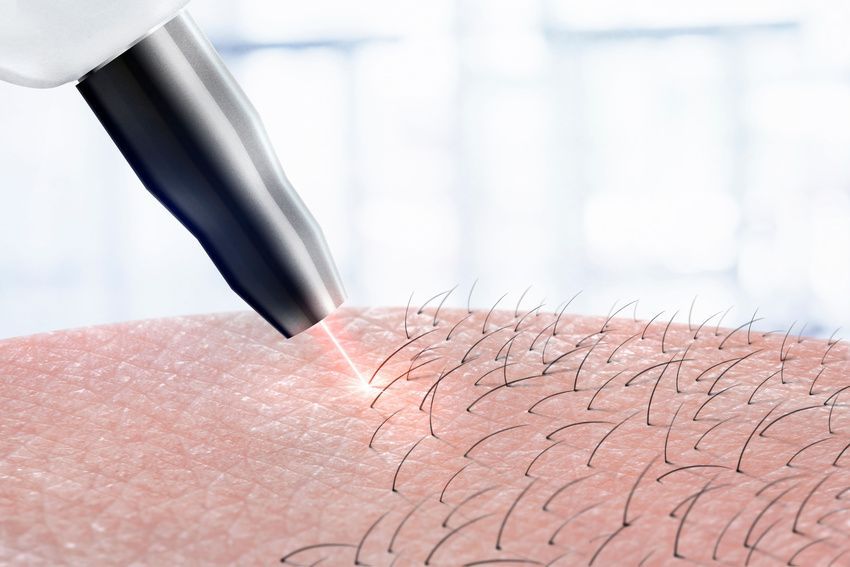
Depending on your skin and goals, a dermatologist may recommend chemical peels, laser treatments, or other procedures. Chemical peels use specialized solutions to exfoliate the skin, encouraging the removal of damaged outer layers. Different strengths are available, allowing treatment to be tailored to specific concerns. Certain laser procedures can target discoloration or improve skin texture by stimulating changes within the skin.
The appropriate treatment depends on the cause of the concern, your skin type, and your medical history. Some procedures require multiple sessions, while others may involve temporary redness, peeling, or swelling. Your dermatologist can explain the expected recovery period and discuss whether a particular treatment is likely to provide meaningful improvement.
Professional guidance is especially important for people who experience sensitivity or pigmentation changes. Some procedures may worsen discoloration when used inappropriately, so treatment selection should account for your skin's characteristics. With a personalized plan, cosmetic dermatology can help you explore ways to achieve a smoother-looking complexion and more even skin tone.
2. Addressing Visible Signs of Aging
Another reason to explore cosmetic dermatology is to address visible signs of aging. Over time, changes in collagen and elastin contribute to differences in skin firmness and elasticity. Repeated facial expressions, environmental exposure, and natural changes in hydration can also contribute to fine lines and wrinkles.
Several treatments may help soften these concerns. Certain injectable treatments temporarily reduce the appearance of expression-related wrinkles, while other procedures focus on texture, discoloration, or volume loss. Laser and energy-based treatments may also stimulate collagen remodeling, potentially improving aspects of skin texture and firmness over time.
Each treatment works differently, and results vary. Some procedures produce noticeable changes relatively quickly, while others require several weeks or months for improvement to develop. Certain treatments also require maintenance appointments to preserve results. Your dermatologist should explain potential side effects, recovery requirements, and expected outcomes before treatment begins.
Cosmetic dermatology does not have to involve dramatic changes to your appearance. Many patients prefer subtle improvements that preserve their natural facial features. During a consultation, you can discuss which concerns matter most to you and learn about options that fit your preferences.
A thoughtful treatment plan should consider your goals, budget, medical history, and comfort level. Understanding what a procedure can realistically accomplish helps you make decisions based on your needs rather than unrealistic expectations.
3. Reducing the Appearance of Acne Scars
Acne can leave marks that remain long after breakouts have cleared. Depending on the severity of the acne, these marks may appear as discoloration, shallow depressions, or more noticeable changes in skin texture. Some discoloration fades with time, but certain scars can persist despite the use of topical skincare products.
Cosmetic dermatology offers several approaches to treating acne-related scarring. Depending on the type of scar and your skin, a dermatologist may recommend microneedling, selected laser treatments, or chemical peels. Microneedling creates controlled micro-injuries that stimulate the skin's natural repair processes, while certain laser procedures target specific skin layers to improve texture or discoloration.
There is no single treatment that works equally well for every type of scar. Depressed scars, raised scars, and flat areas of discoloration may require different approaches. Your dermatologist will also consider whether you have active acne, since controlling ongoing breakouts can help prevent additional scarring.
It is important to maintain realistic expectations. Treatment may make scars less noticeable, but complete removal is not always possible. Several appointments may be necessary, and improvements often develop gradually. Recovery requirements and potential side effects depend on the procedure selected.
4. Exploring Personalized Skincare Solutions
Another benefit of cosmetic dermatology is receiving skincare recommendations tailored to your needs. With so many products available, choosing the right combination can be difficult. Ingredients that benefit one person may irritate another, and combining too many active products can cause dryness, redness, or sensitivity.
A dermatologist can evaluate concerns such as persistent dryness, uneven pigmentation, and sensitivity before recommending suitable products or treatments. This assessment can also help distinguish cosmetic concerns from conditions that require medical evaluation. Redness and dark spots, for example, can have several causes, making it important to understand the underlying issue before choosing a treatment.
Professional guidance can help you develop a practical daily routine. Depending on your skin, this may include a gentle cleanser, moisturizer, and broad-spectrum sunscreen, along with products intended to address specific concerns. Sunscreen is particularly important because ultraviolet exposure contributes to premature skin aging and can worsen some forms of discoloration.
Interest in professional facial treatments reflects the range of concerns patients seek to address. According to Mordor Intelligence, facial treatments held a 52.18% share of the medical spa market in 2025. This statistic highlights the substantial market share associated with facial treatments, although it does not indicate that every procedure is appropriate for every patient.
5. Supporting Long-Term Skin Care Goals
Cosmetic dermatology can also be part of a long-term approach to managing changes in your skin. Some patients seek treatment for existing concerns, while others want guidance on maintaining their skin's appearance as they age. The right approach depends on factors such as skin type, sun exposure, medical history, and personal preferences.
Consistent sun protection, an appropriate skincare routine, and periodic professional assessments can help you monitor changes over time. Depending on your goals, you may also consider treatments for early fine lines, mild discoloration, or uneven texture. However, cosmetic procedures are not necessary for everyone, and preventive care should reflect your preferences rather than pressure to achieve a particular appearance.
Your skincare needs may change with age, hormonal fluctuations, and environmental exposure. A treatment that suits you now may not be the best choice in the future. Periodic discussions with your dermatologist can help you adjust your routine and consider other options when appropriate.
It is also important to understand the commitment associated with cosmetic procedures. Some treatments require downtime, multiple appointments, or ongoing maintenance. Others may involve temporary side effects or restrictions on sun exposure during recovery. Discussing these details beforehand helps you select options that fit your schedule and comfort level.
Cosmetic dermatology offers options for people who want to address uneven skin tone, visible signs of aging, acne scars, and other aesthetic concerns. Professional treatments and personalized skincare recommendations can help you understand which approaches may suit your needs. However, the right choice depends on your skin type, medical history, expectations, and willingness to follow treatment and aftercare instructions. Consulting a qualified dermatology professional is an important first step toward evaluating your options and understanding potential results. Dermatology Physicians Inc. can help you explore your concerns and make informed decisions about whether
cosmetic dermatology is right for you. Contact us today.