
What to Expect Before, During, and After Microneedling
Microneedling, also known as collagen induction therapy, is a cosmetic procedure that uses tiny needles to create controlled micro-injuries in the skin. These small punctures activate the body’s natural healing response, helping stimulate collagen and elastin production. As the skin repairs itself, many people notice smoother texture, improved tone, and a refreshed appearance.
This treatment is often used for acne scars, fine lines, enlarged pores, stretch marks, uneven texture, and mild signs of aging. While microneedling is minimally invasive, knowing what to expect before, during, and after treatment can help you feel more comfortable and prepared.
What Is Microneedling?
Microneedling is designed to support skin renewal by encouraging the body to produce new collagen. During the procedure, a trained provider uses a microneedling pen or similar device to create tiny channels in the skin. These channels are shallow and controlled, but they are enough to signal the skin to begin repairing itself.
As collagen and elastin increase, the skin may gradually look firmer, brighter, and more even. Because the treatment works with the body’s natural healing process, results usually appear over time rather than immediately. Many clients need a series of sessions to address deeper concerns, especially acne scars, sun damage, or noticeable texture changes.
Microneedling is also valued because it can improve how well certain skincare products absorb into the skin. After the procedure, topical serums may penetrate more effectively, allowing the skin to receive extra hydration and nourishment during the healing period.
How Microneedling Works
The science behind microneedling is based on wound healing. When the skin experiences tiny controlled injuries, it moves through a natural repair process. This includes inflammation, new cell production, and tissue remodeling. Over time, this process can improve the look and feel of the treated area.
The goal is not to damage the skin, but to encourage it to rebuild in a healthier way. The needles create precise microchannels without removing the outer layer of skin. This makes microneedling a popular option for people who want visible improvement with less downtime than more aggressive treatments.
According to Morningstar, four in ten adults have wrinkles or dark spots from sun damage. Microneedling may help improve the appearance of some of these concerns by supporting collagen production and skin renewal. Results vary based on skin type, age, treatment depth, and the concern being addressed.
Benefits Of Microneedling
Microneedling can address several skin concerns at once. Many people choose it to soften fine lines, improve uneven skin texture, reduce the appearance of acne scars, and create a smoother-looking complexion. It may also help improve the look of enlarged pores and mild skin laxity.
Another benefit is that microneedling can be adjusted based on each person’s skin goals. A provider can change the needle depth and treatment intensity depending on the area being treated. For example, delicate areas may require a gentler approach, while deeper acne scarring may need a stronger treatment plan.
Because results build gradually, microneedling can create a natural-looking change over time. Clients often appreciate that their skin looks refreshed rather than dramatically altered. With proper aftercare and a consistent treatment plan, improvements may continue for weeks after each session.
Common Myths About Microneedling
One common myth is that microneedling is extremely painful. Most clients report mild discomfort rather than intense pain, especially when a topical numbing cream is used before treatment. Sensations can vary depending on the treatment area and needle depth, but the procedure is generally well tolerated.
Another misconception is that microneedling is only for mature skin. While it can help with visible signs of aging, younger clients may also benefit from treatment for acne scars, uneven texture, or enlarged pores. Microneedling can support overall skin health at different stages of adulthood.
Some people also believe at-home microneedling tools can produce the same results as professional treatment. While home devices may offer very mild benefits, they do not provide the same precision, safety, or customization as treatment performed by a qualified provider.
Preparing For Your Appointment
Preparation begins with a consultation. During this appointment, your provider reviews your skin type, concerns, medical history, current products, and treatment goals. This helps determine whether microneedling is appropriate for you and what approach may work best.
You should mention any recent cosmetic treatments, medications, allergies, or active skin conditions. This information helps your provider reduce the risk of irritation or complications. They may also recommend waiting if you have active acne, sunburn, open wounds, or certain skin infections.
Before your session, your provider may ask you to avoid retinoids, exfoliating acids, harsh scrubs, and other irritating products for several days. You may also be advised to limit sun exposure and avoid tanning beds. Arriving with clean skin, free of makeup and heavy skincare products, can help keep the appointment efficient.
What To Avoid Before Microneedling
In the days before treatment, avoid anything that may make your skin more sensitive. This can include chemical peels, waxing, strong exfoliants, and extended sun exposure. If your skin is irritated before the session, your provider may recommend rescheduling.
Some clients may be asked to pause certain supplements or medications that could increase bruising, but this should only be done under proper guidance. It is also helpful to stay hydrated and maintain a gentle skincare routine before your appointment.
The better condition your skin is in before microneedling, the smoother the recovery process may be. Careful preparation gives your skin a stronger starting point and can help support better results.
Choosing The Right Provider
Choosing a qualified provider is one of the most important parts of the microneedling process. Look for someone with proper training, experience, and a clear understanding of different skin types. A good provider should explain the procedure, answer your questions, and give realistic expectations.
During your consultation, ask about the device being used, sanitation practices, aftercare instructions, and how many sessions may be recommended for your goals. You should feel comfortable discussing your concerns and confident that the provider is tailoring the treatment to your skin.
A thoughtful provider will not rush the process or promise instant perfection. Instead, they will explain how microneedling works, what results may be possible, and what steps you need to follow after treatment.
What Happens During The Procedure?
On the day of treatment, your provider will usually begin by cleansing your skin thoroughly. A topical numbing cream may be applied and left on for about 20 to 30 minutes to reduce discomfort. Once the skin is numb, the provider removes the cream and begins the microneedling process.
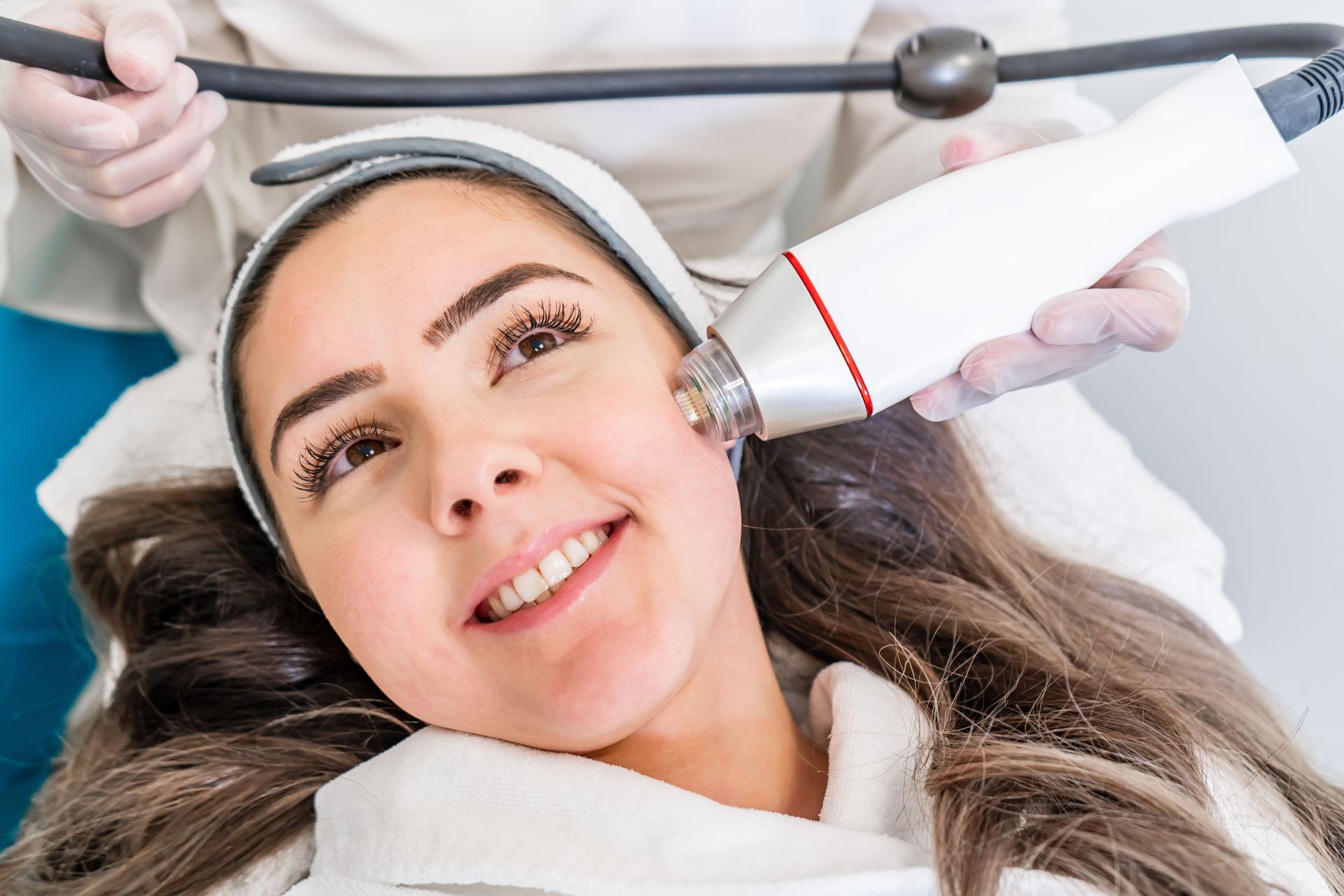
The device is moved across the treatment area in a controlled pattern. You may feel pressure, vibration, or a mild prickling sensation. Some areas may feel more sensitive than others, especially around the forehead, upper lip, or jawline. Your provider may adjust the depth based on your comfort level and treatment goals.
After the microneedling portion is complete, a soothing serum or calming product is often applied. The skin may look red or flushed, similar to a sunburn. This is a normal response and usually fades within a few days.
What To Expect After Microneedling
After treatment, redness, tightness, warmth, and mild swelling are common. Some clients may also experience dryness or light flaking as the skin begins to renew itself. These effects are usually temporary and tend to improve within a few days.
Microneedling is a versatile treatment that can support smoother, healthier-looking skin by encouraging natural collagen production. With the right preparation, a qualified provider, and proper aftercare, the procedure can be a helpful option for improving texture, tone, fine lines, and scarring. Knowing what to expect before, during, and after your appointment can make the experience feel more comfortable and help you approach treatment with realistic goals. Reach out to Dermatology Physicians Inc today to book your appointment.